
Introduction
North India is a region of striking contrasts—snow-capped mountains, lush valleys, historic cities, deserts, forests, and vibrant cultural traditions. From the Himalayas to heritage towns and spiritual destinations, travelers are drawn to this region throughout the year. As travel preferences shift toward authentic and comfortable stays, choosing a homestay in North India has become increasingly popular.
However, one of the most common questions travelers ask is: When is the best time to book a homestay in North India? The answer depends on several factors such as weather, destination type, travel purpose, and personal preferences. This blog explores the ideal seasons for booking homestays, regional climate variations, and how planning your stay at the right time can enhance your overall travel experience.
Understanding North India’s Seasonal Diversity
North India experiences distinct seasons, and each season offers a different travel experience. Knowing how these seasons affect travel can help you decide the best time to book a homestay.
The main seasons include:
Summer (March to June)
Monsoon (July to September)
Autumn (October to November)
Winter (December to February)
Each season suits different types of travelers and destinations.
Summer Season: March to June
Ideal for Hill Stations and Cooler Regions
During summer, many parts of North India experience high temperatures, especially plains and desert regions. However, hill destinations become extremely popular during this time.
Travelers prefer homestays in:
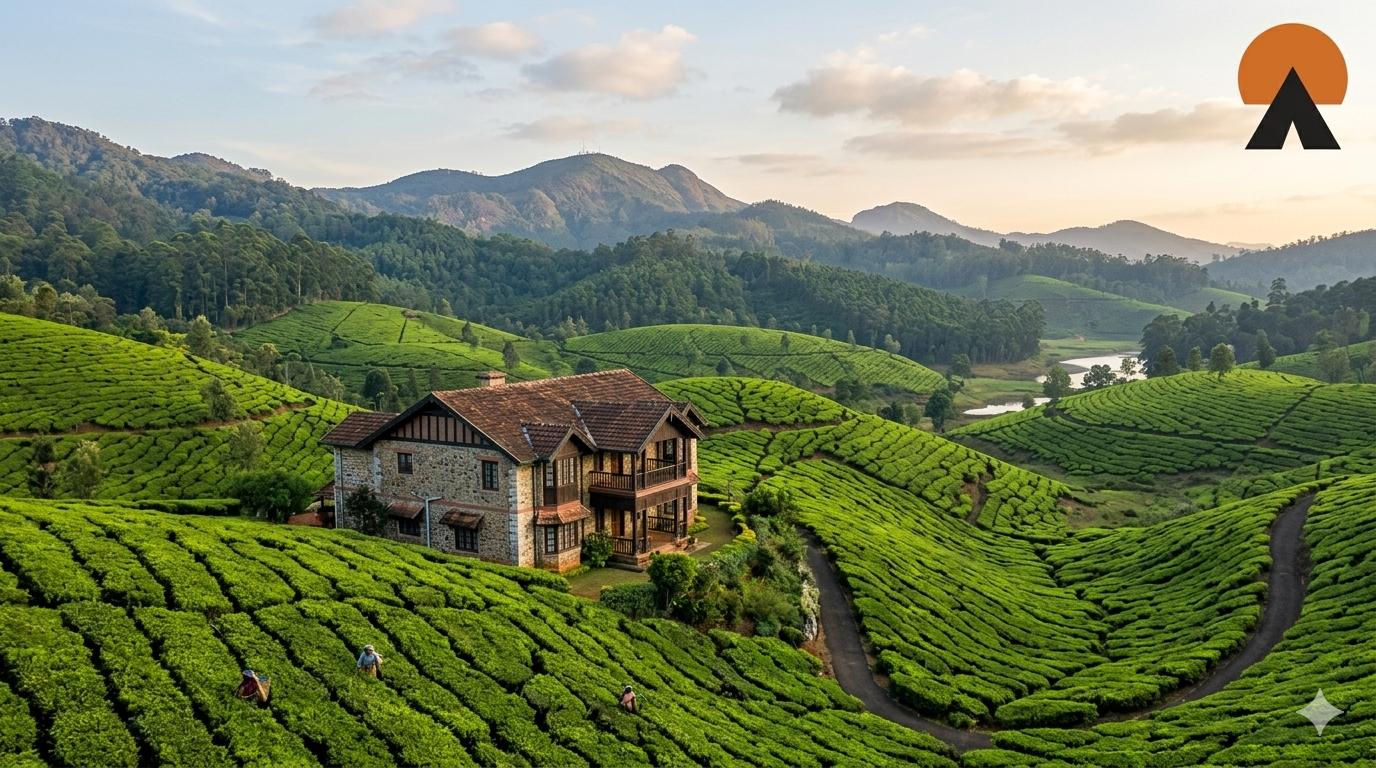
Himalayan hill towns
Forested mountain regions
Riverside villages
Cooler high-altitude locations
Homestays during summer offer pleasant weather, scenic views, and a peaceful retreat from city heat.
Why Summer Is a Good Time to Book Early
Summer is peak travel season for hill destinations. Booking homestays in advance ensures:
Better availability
Preferred room selection
Competitive pricing
This is one of the busiest periods for homestays in North India, making early planning essential.
Monsoon Season: July to September
Best for Nature Lovers and Offbeat Travelers
Monsoon transforms North India into a lush green paradise. Valleys, forests, waterfalls, and countryside regions come alive during this season.
Homestays during monsoon are ideal for:
Slow travelers
Writers and creatives
Couples seeking solitude
Wellness and nature-focused stays
Although some mountainous areas may experience travel restrictions, many regions offer a peaceful and scenic environment.
Advantages of Monsoon Bookings
Fewer tourists
Lower accommodation rates
Serene surroundings
Enhanced natural beauty
Travelers seeking tranquility often prefer monsoon stays in homestays.
Autumn Season: October to November
One of the Best Times to Travel
Autumn is widely considered one of the best seasons to book homestays in North India. The weather becomes pleasant, skies are clear, and landscapes remain green after monsoon.
Why autumn stands out:
Comfortable temperatures
Clear mountain views
Cultural festivals and local events
Ideal for sightseeing and outdoor activities
This season is perfect for travelers who want balanced weather and vibrant surroundings.
Winter Season: December to February
Perfect for Snow Lovers and Cultural Explorers
Winter in North India offers unique experiences, especially in mountain regions where snowfall transforms landscapes.
Homestays in winter are ideal for:
Snow enthusiasts
Romantic getaways
Quiet retreats
Cultural exploration in cities and villages
Many travelers specifically book homestays to enjoy cozy interiors, fireplaces, and warm hospitality during colder months.
Best Time Based on Travel Purpose
For Nature and Scenic Beauty
Best months: March to June and October to November
Ideal for mountain and countryside homestays
For Peace and Solitude
Best months: July to September
Fewer crowds and calm surroundings
For Snow and Winter Experiences
Best months: December to February
Ideal for hill and high-altitude destinations
For Festivals and Culture
Best months: October to November
Many regional festivals take place during this time
Why Homestays Are Preferred Across Seasons
Homestays offer flexibility and comfort across all seasons. Unlike hotels, homestays adapt better to seasonal changes.
Advantages include:
Personalized hospitality
Seasonal local food
Warm indoor environments during winter
Cool, airy spaces during summer
Better local guidance for weather-related travel
Raahghar curates homestays that are well-suited for different seasons, ensuring guest comfort throughout the year.
Peak Season vs Off-Season Bookings
Peak Season
Higher demand
Need for early bookings
Ideal weather
More activities available
Off-Season
Lower prices
Less crowd
Peaceful environment
Greater host interaction
Both options have their own advantages, depending on travel goals.
How Early Should You Book a Homestay?
Booking timelines vary by season:
Peak seasons: 1–2 months in advance
Festive periods: Even earlier
Off-season: Flexible, sometimes last-minute
Early booking ensures better choices and stress-free planning.
Long Stays and Workations
North India has become a favorite for long stays and work-from-anywhere travelers. Homestays offer the comfort and flexibility needed for extended stays.
Best booking times for long stays:
Monsoon and winter months
Off-season periods
These seasons offer affordability and peaceful environments ideal for remote work.
Role of Raahghar in Seasonal Homestay Planning
Choosing the right homestay for the right season is crucial. Raahghar helps travelers by offering:
Verified properties
Clear seasonal suitability information
Honest descriptions
Trusted local hosts
Reliable support
This ensures travelers book homestays that match their expectations, regardless of season.
Things to Consider Before Booking
Before finalizing a homestay, travelers should consider:
Weather conditions of the region
Accessibility during the season
Heating or cooling facilities
Local activities available
Host recommendations
These factors help create a smooth and enjoyable stay.
Conclusion
The best time to book a homestay in North India depends on your travel purpose, destination, and seasonal preferences. Summer is perfect for hill retreats, monsoon offers peaceful greenery, autumn provides ideal weather, and winter brings cozy stays and snow experiences. With thoughtful planning and curated options from Raahghar, travelers can enjoy memorable stays across all seasons, making homestays in North India a rewarding choice throughout the year.
FAQ – Frequently Asked Questions
1. What is the best season to book a homestay in North India?
Autumn and summer are generally the most popular due to pleasant weather and accessibility.
2. Are homestays available year-round in North India?
Yes, most homestays operate throughout the year, adapting facilities to seasonal needs.
3. Is monsoon a good time to stay in North India homestays?
Yes, monsoon offers peaceful stays, greenery, and lower prices, ideal for slow travel.
4. Do homestays provide heating during winter?
Many homestays offer heating options, blankets, or fireplaces during winter.
5. How does Raahghar help in choosing seasonal homestays?
Raahghar curates verified properties and provides clear information to match stays with seasonal conditions.
Read Our Previous Blog-------------> How close are homestays in Majorda to Majorda Beach?




Write a comment ...